
CGI for design agencies
and brand teams.
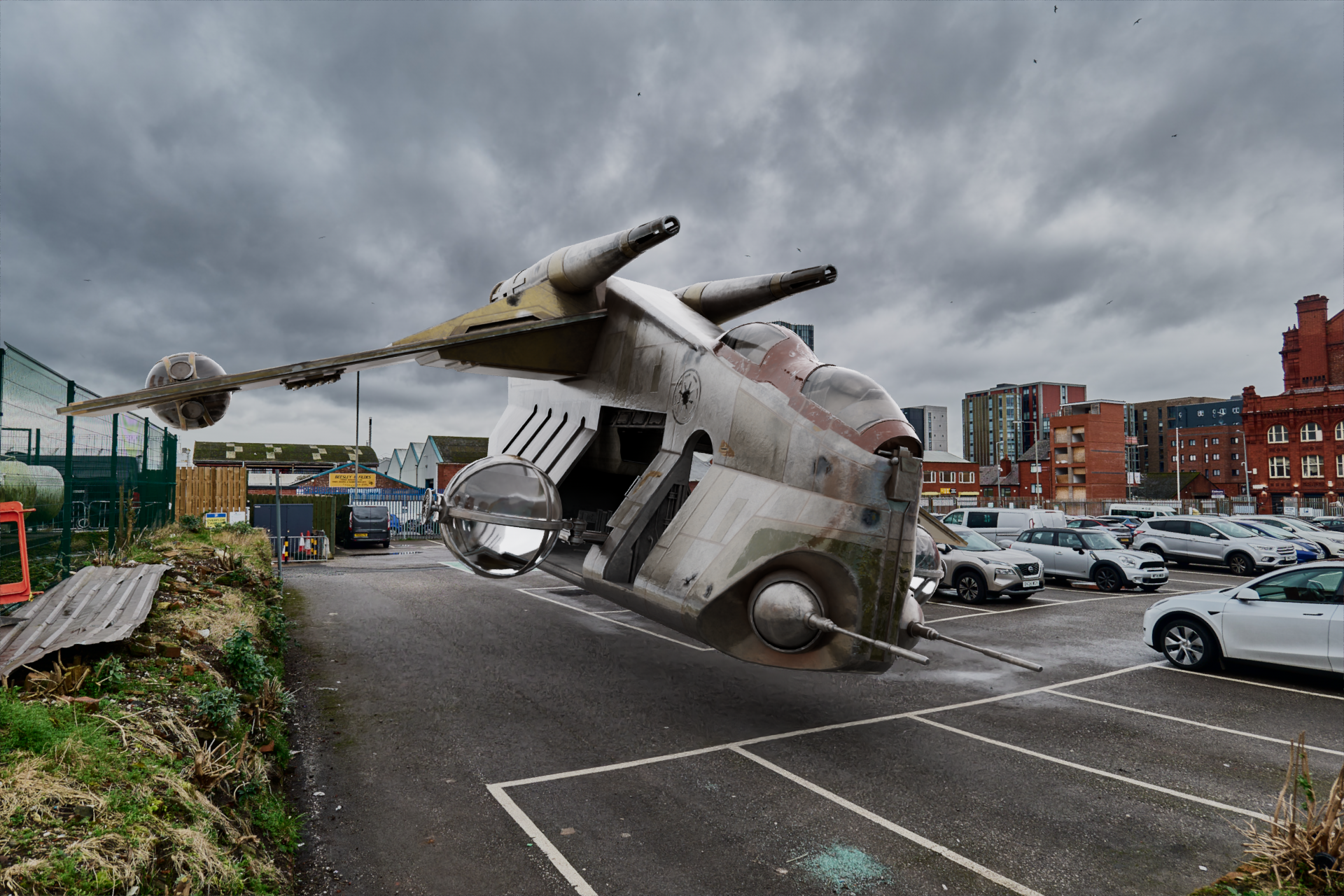
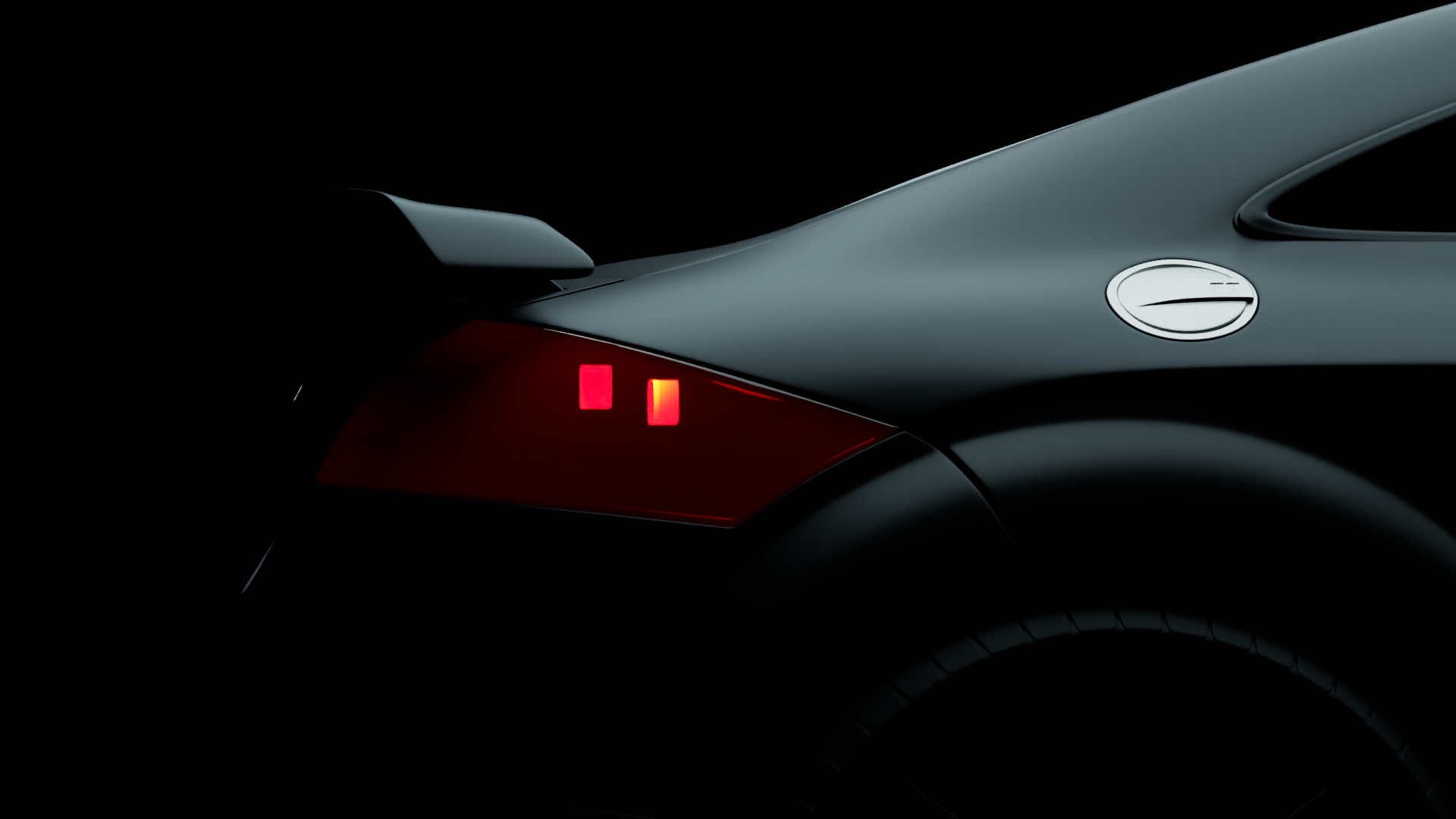
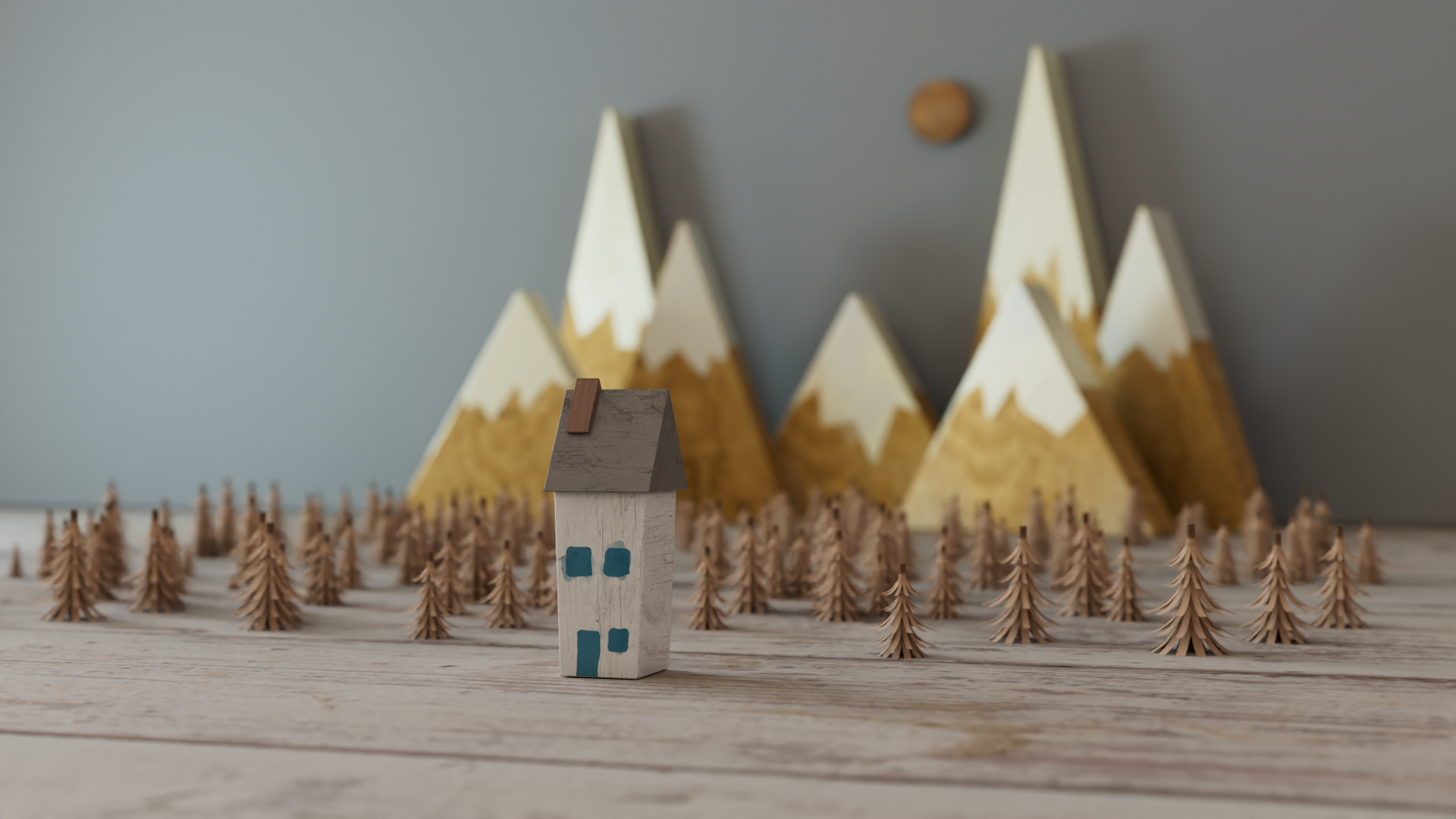
We make photoreal CGI for design agencies, brand teams, and the studios that build identities for the world's best companies. Where photography hits its limits — cost, speed, things that don't exist yet, things that can't be filmed — CGI takes over.
What we do
We work with design and brand agencies in three main ways:
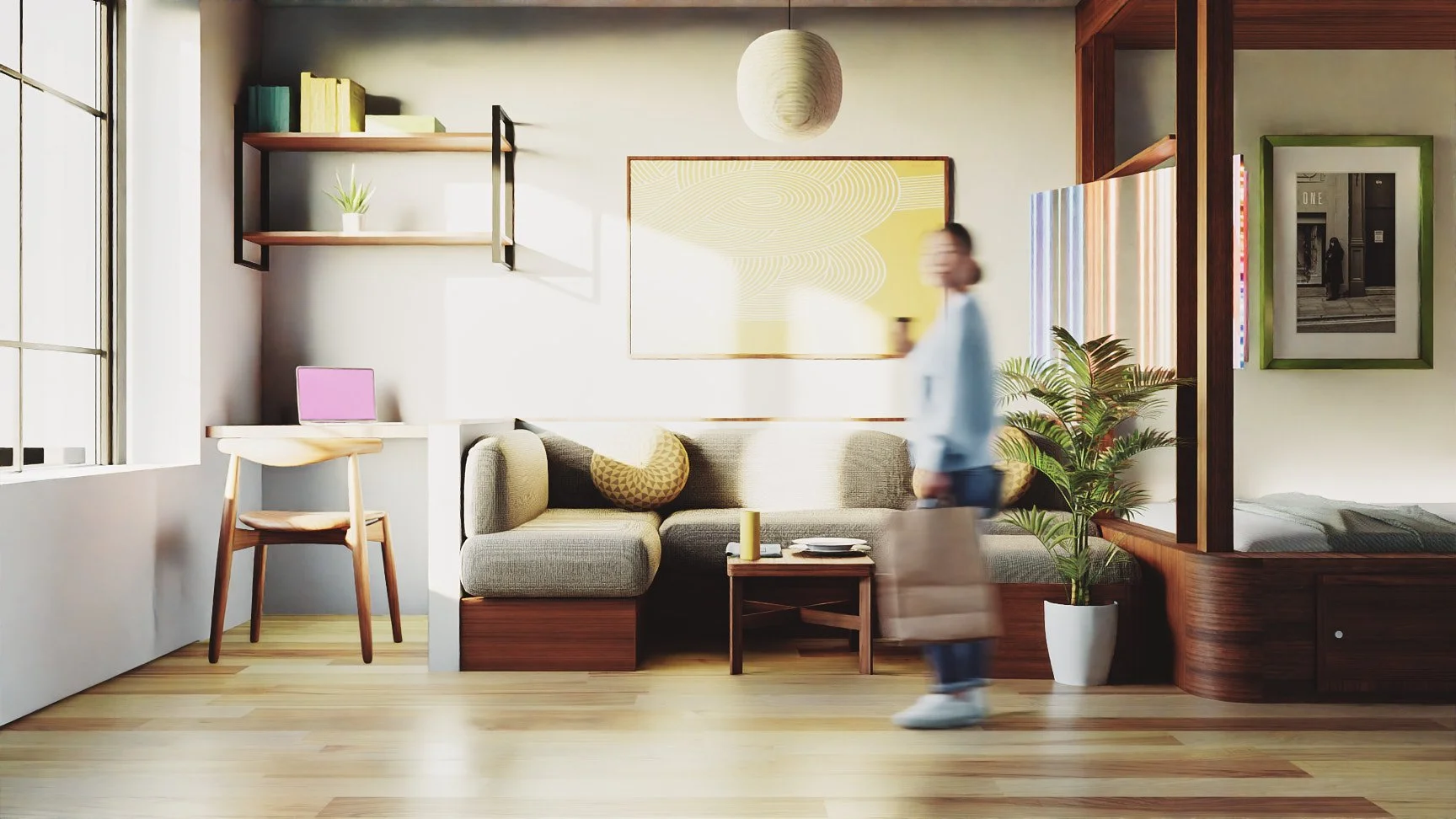
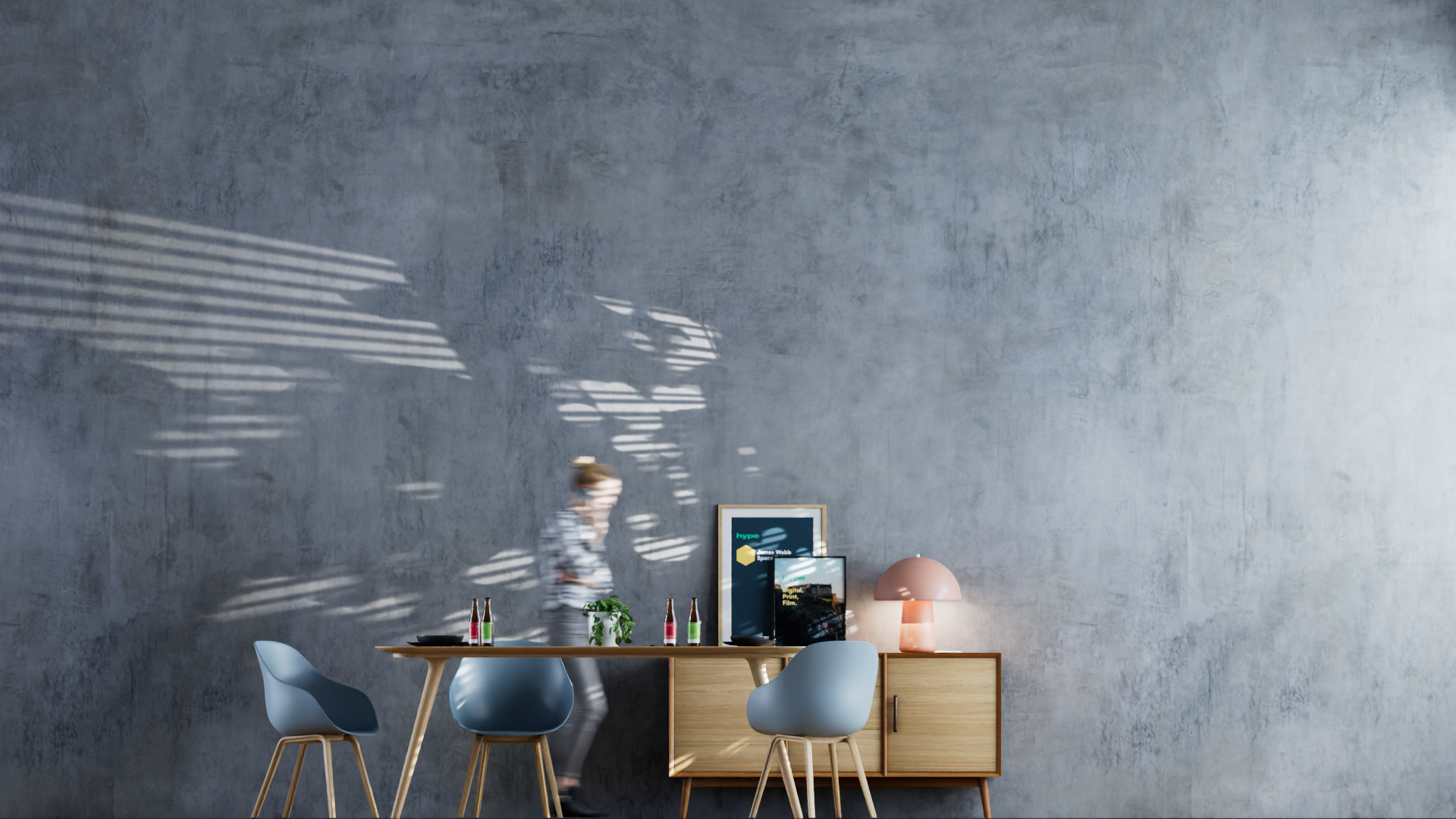
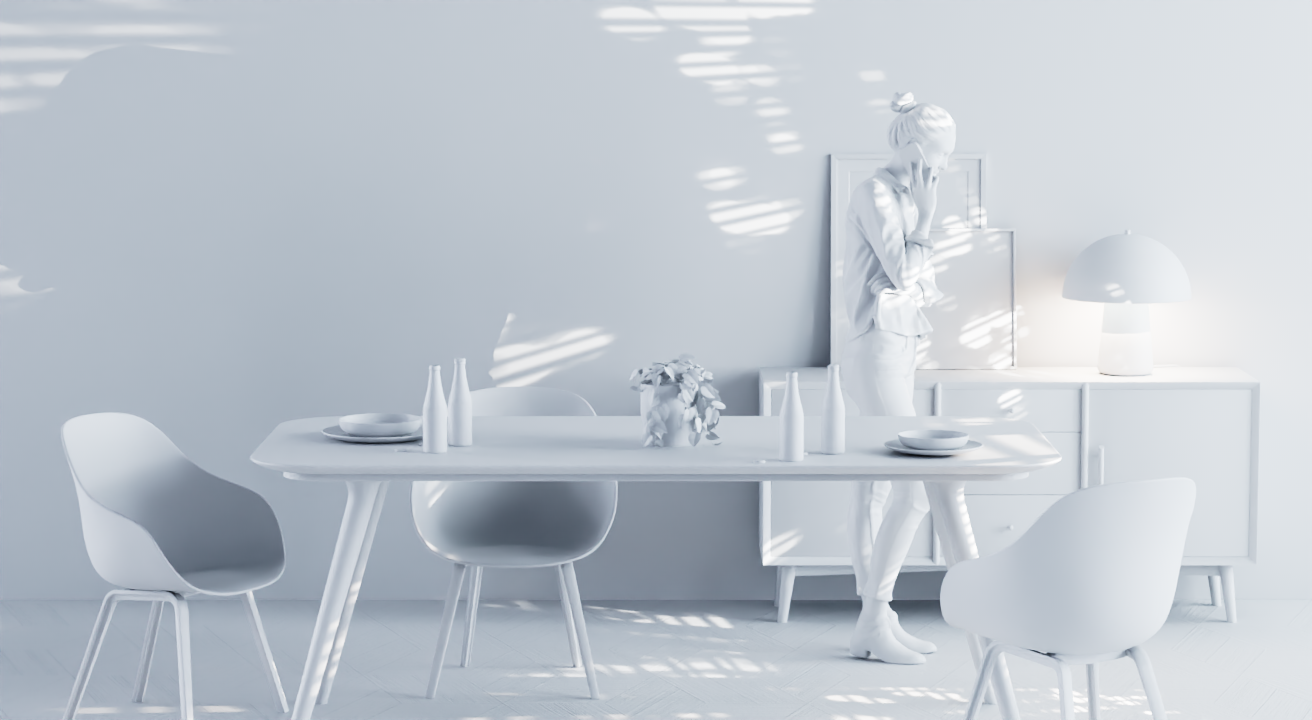
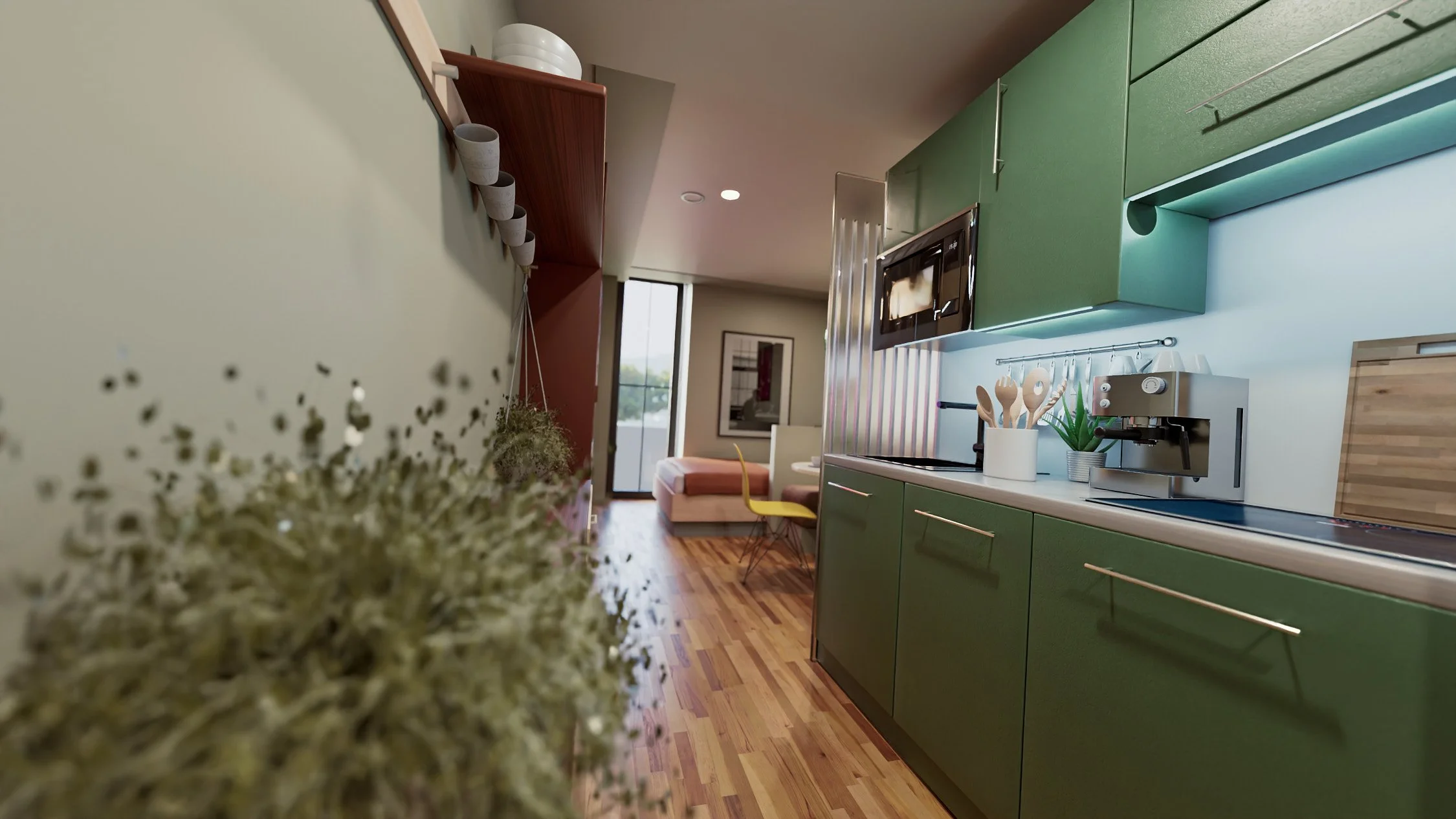
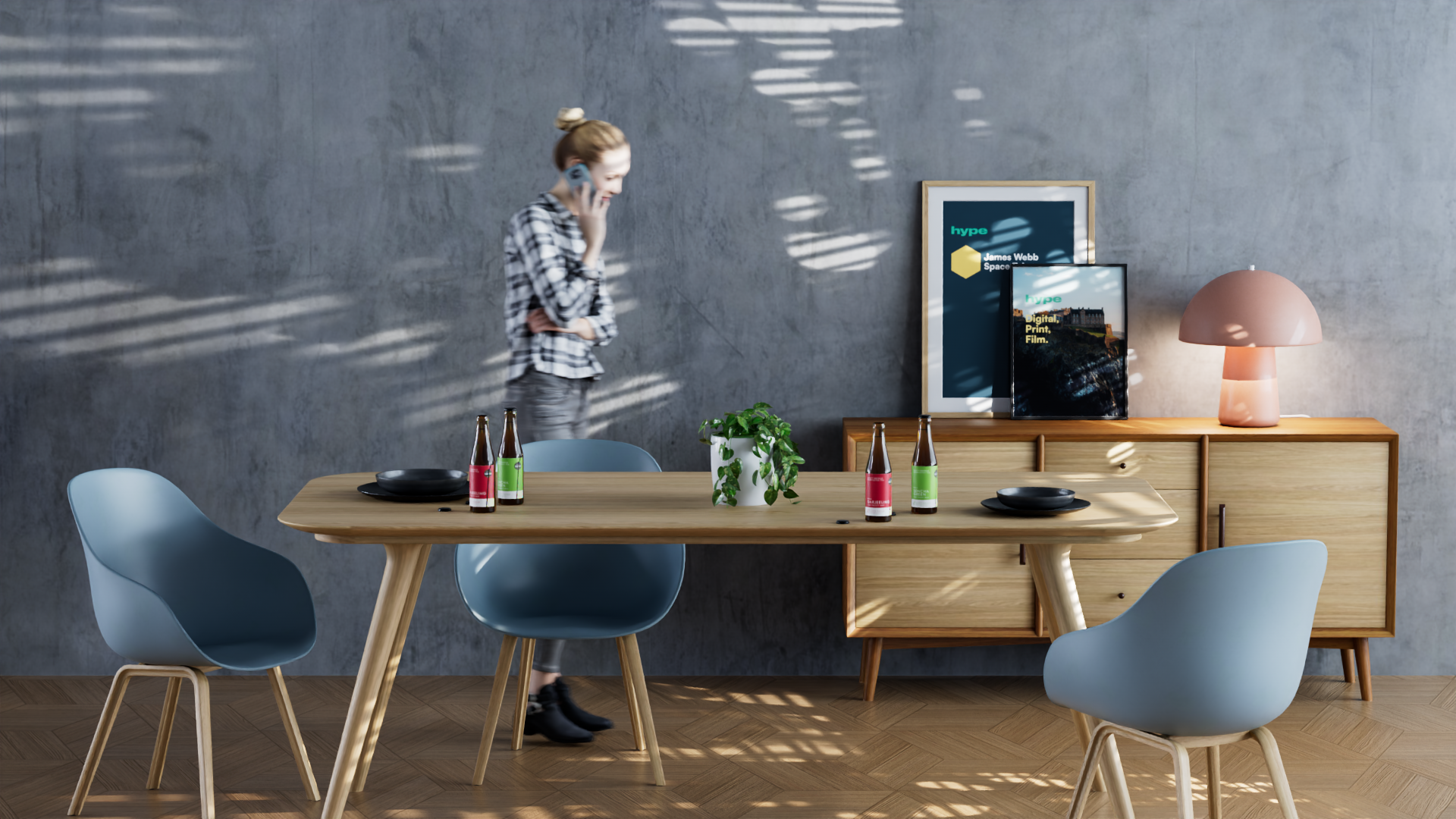
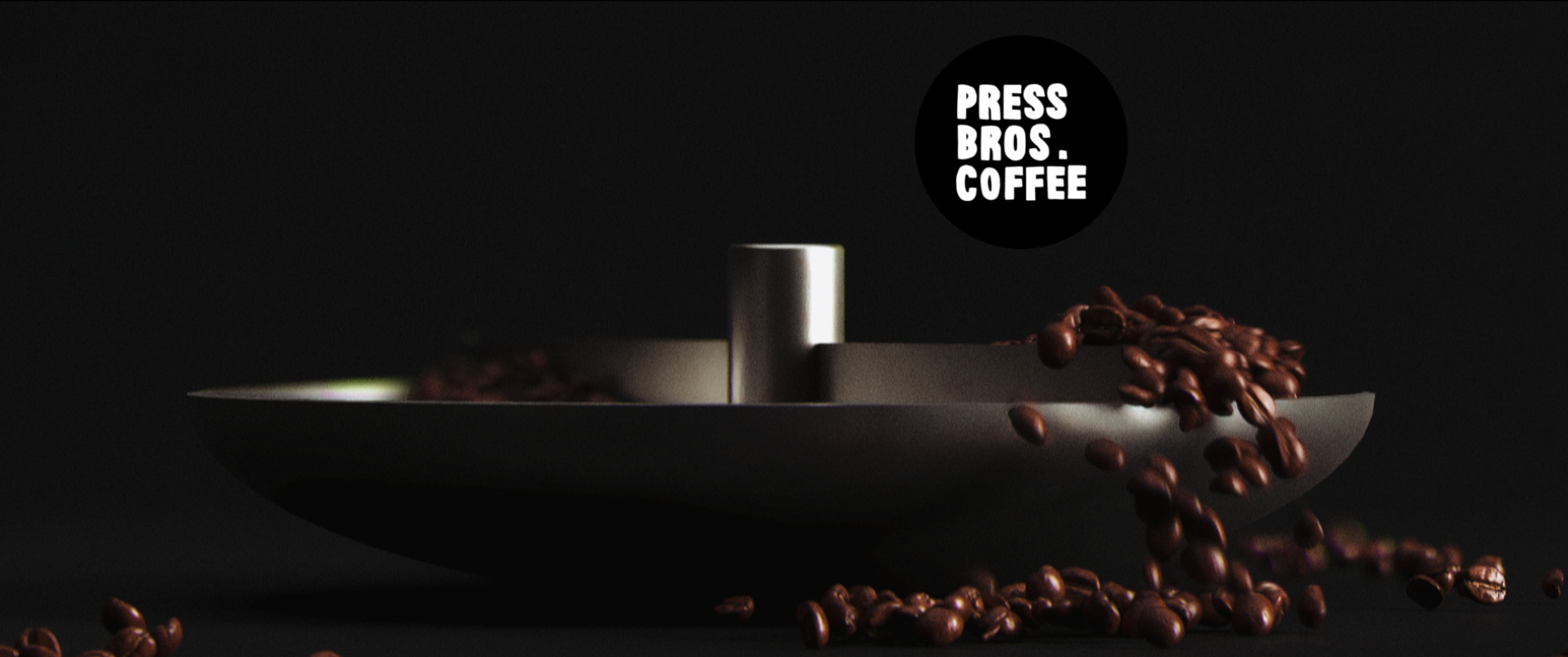
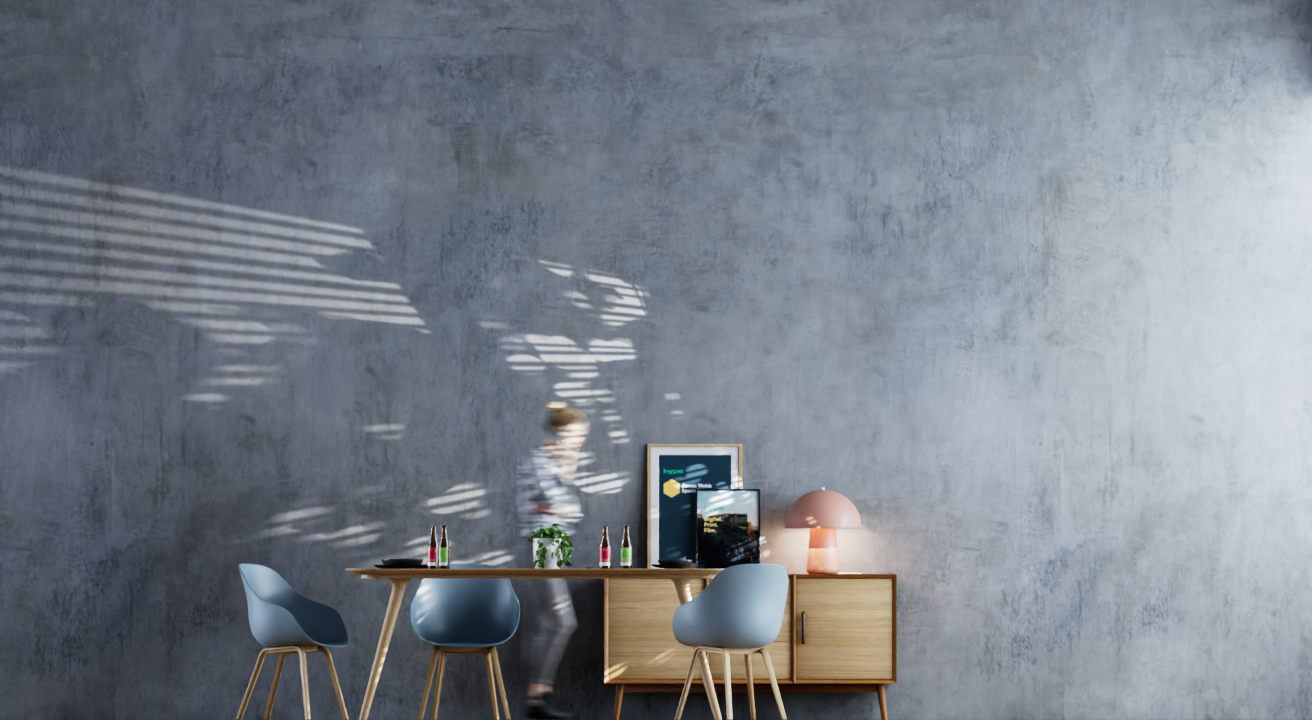
Bringing brand identities to life. A logo, a colour palette and a few mockups can only carry a brand so far. We build the environments around new identities — interiors, exteriors, products, packaging — so the client can see how the brand sits in the world. It closes the gap between concept and decision, and gives the design team a far more persuasive story to tell. See: Union Brew, Press Bros. Coffee.
Visualising what doesn't exist yet.
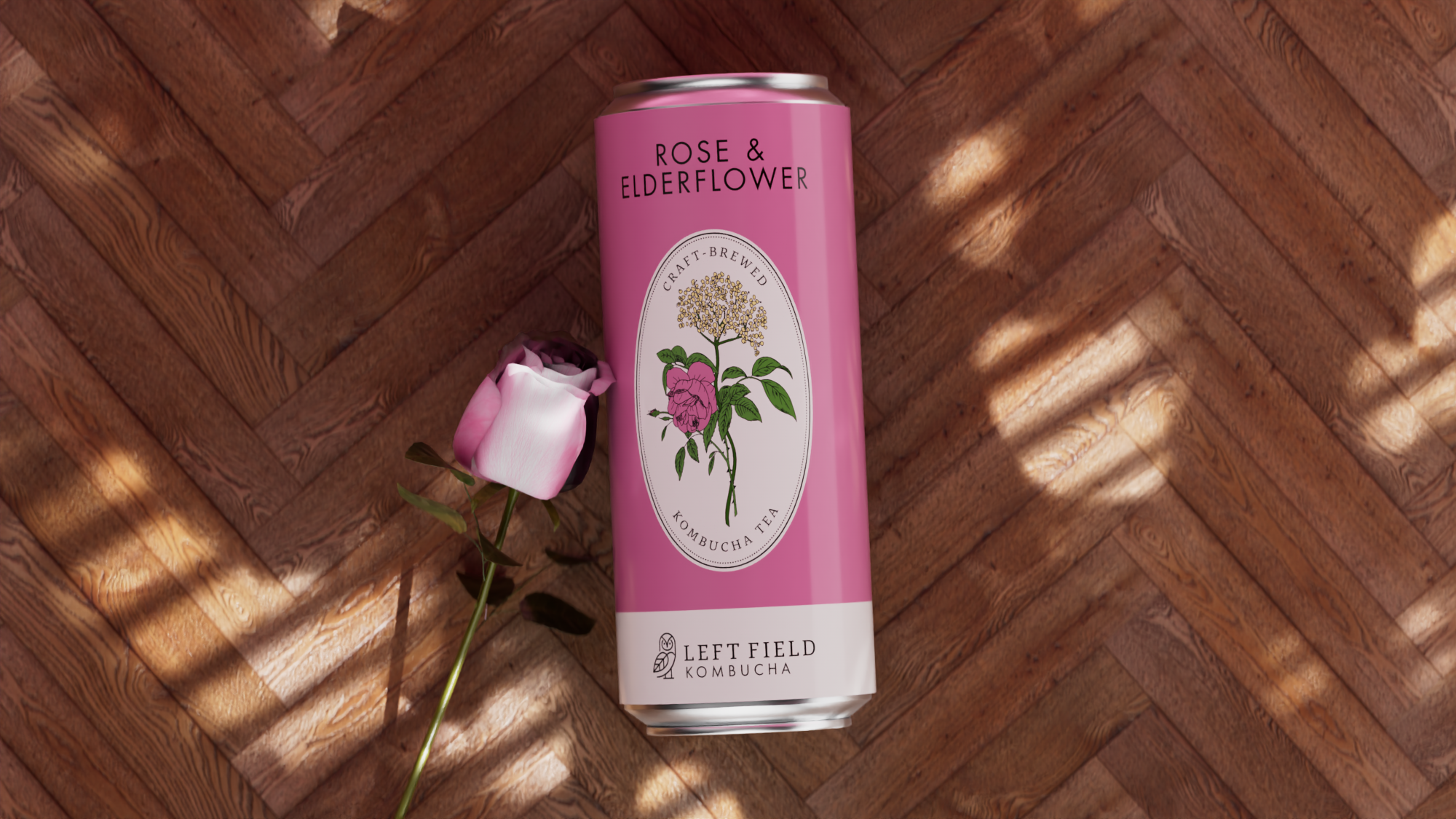
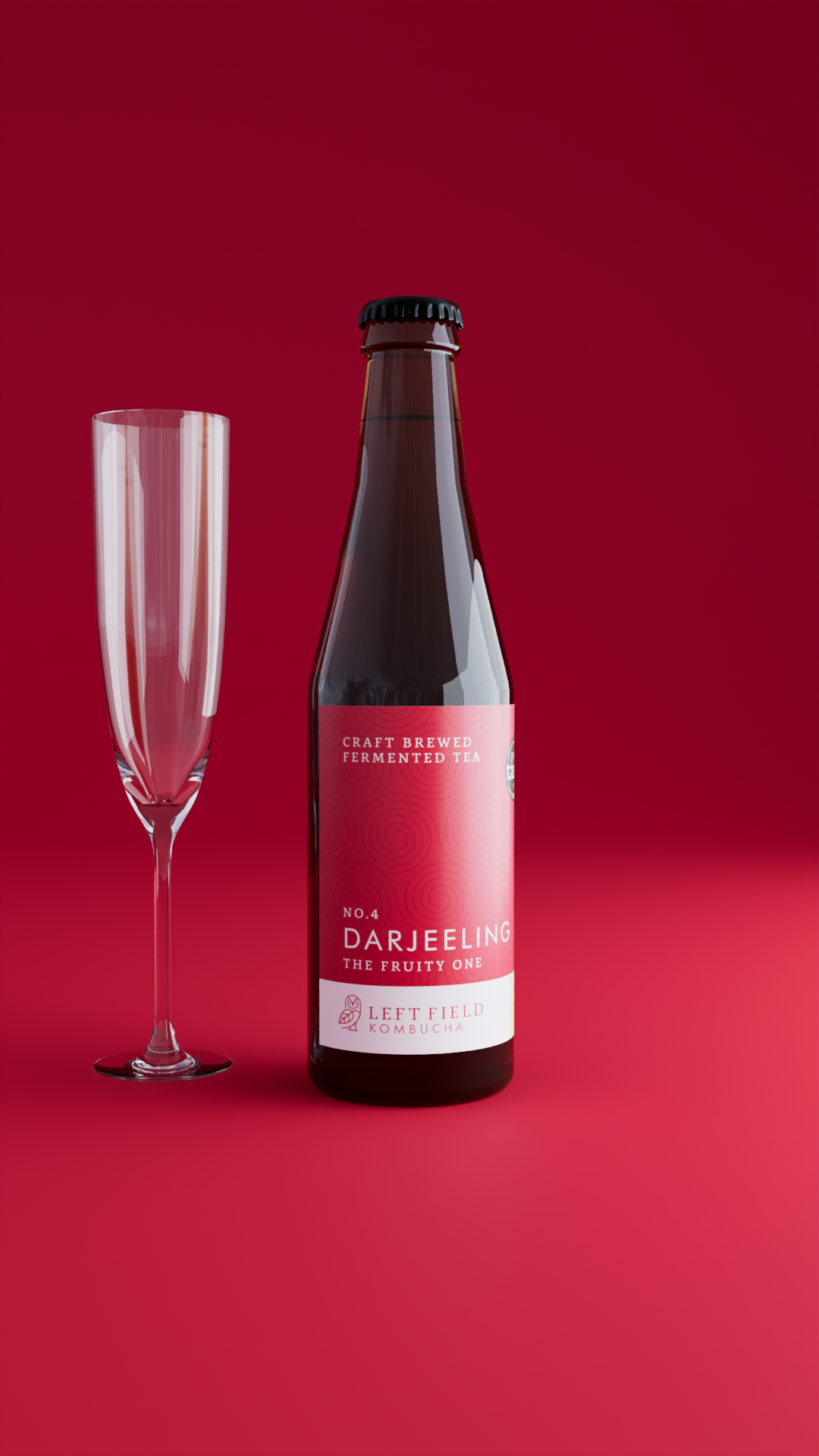
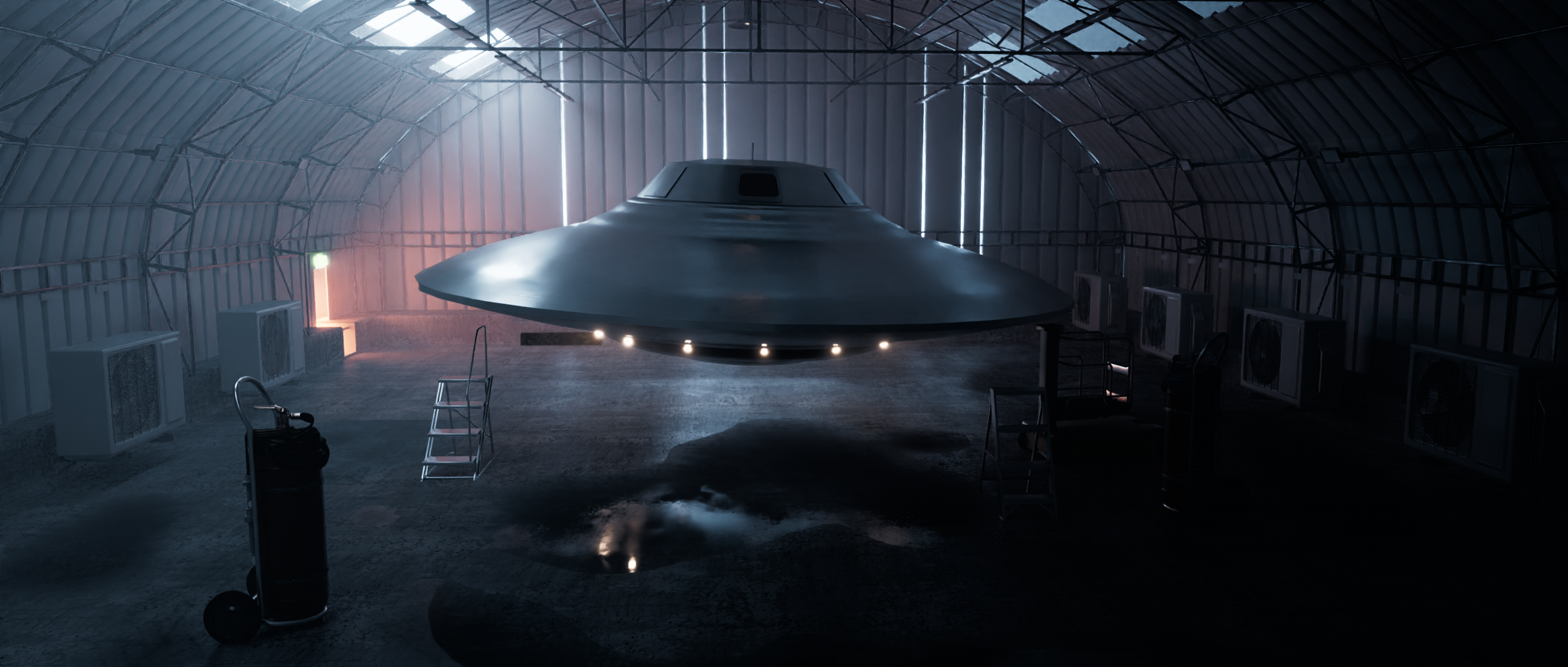
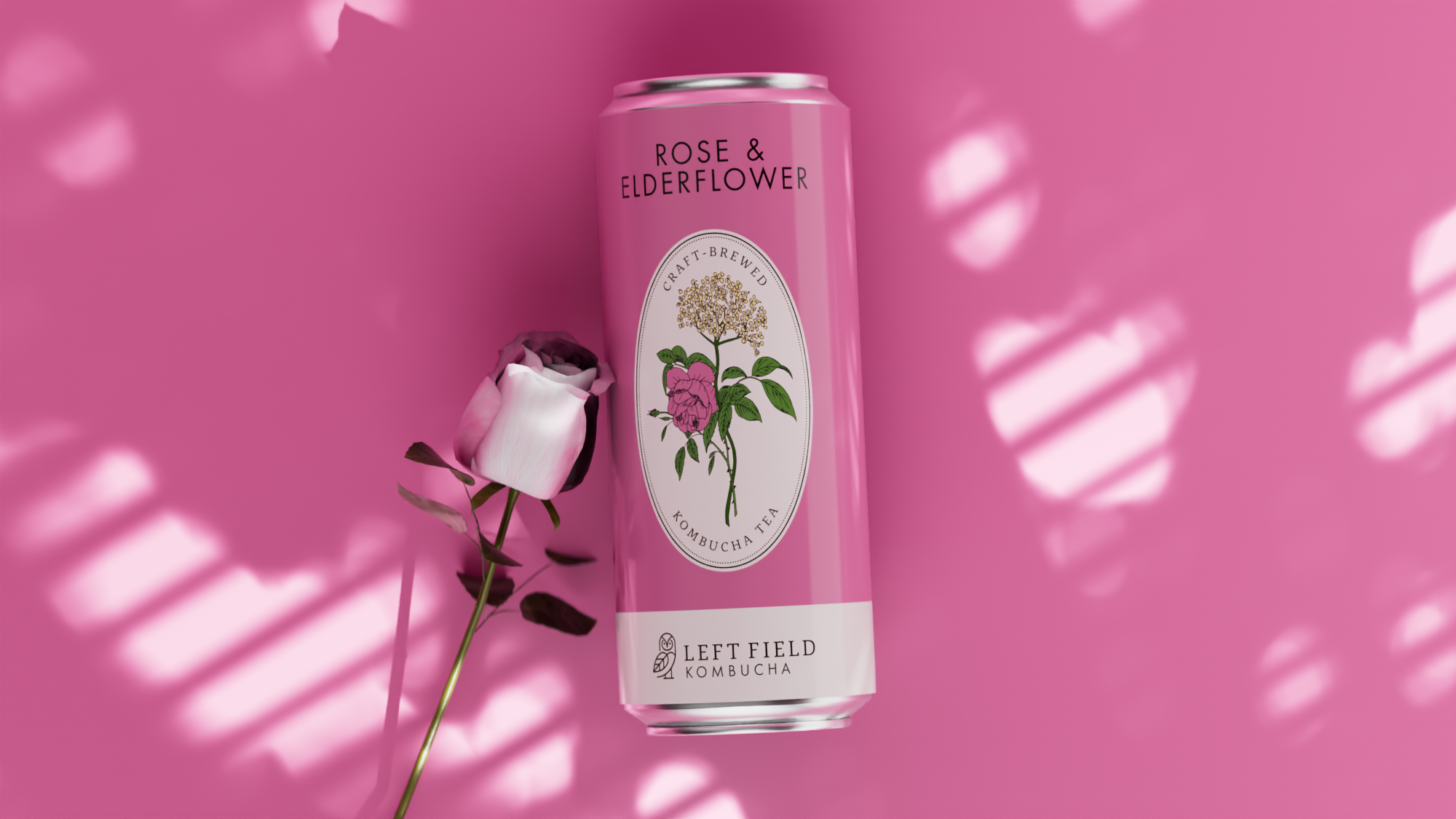
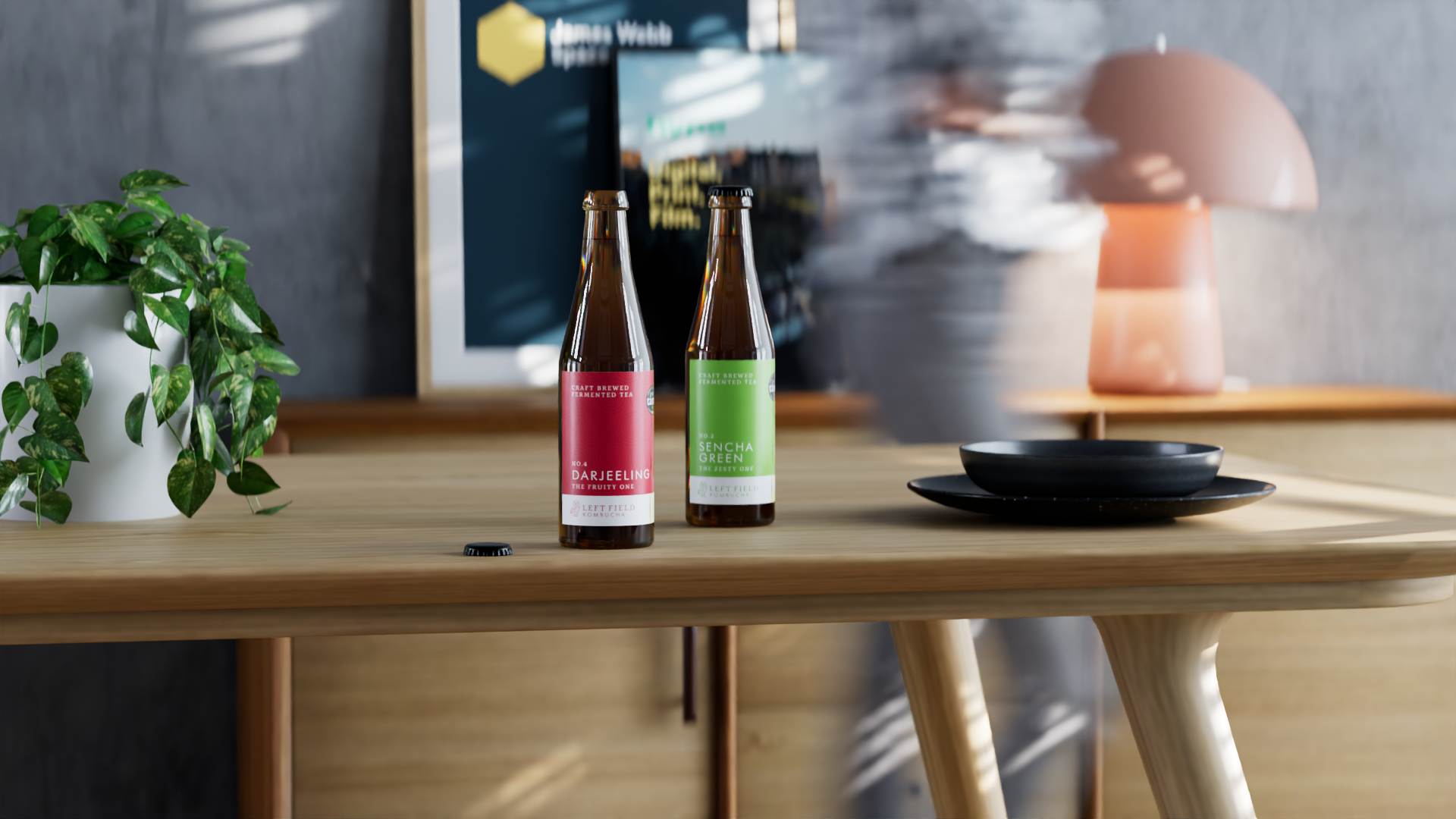
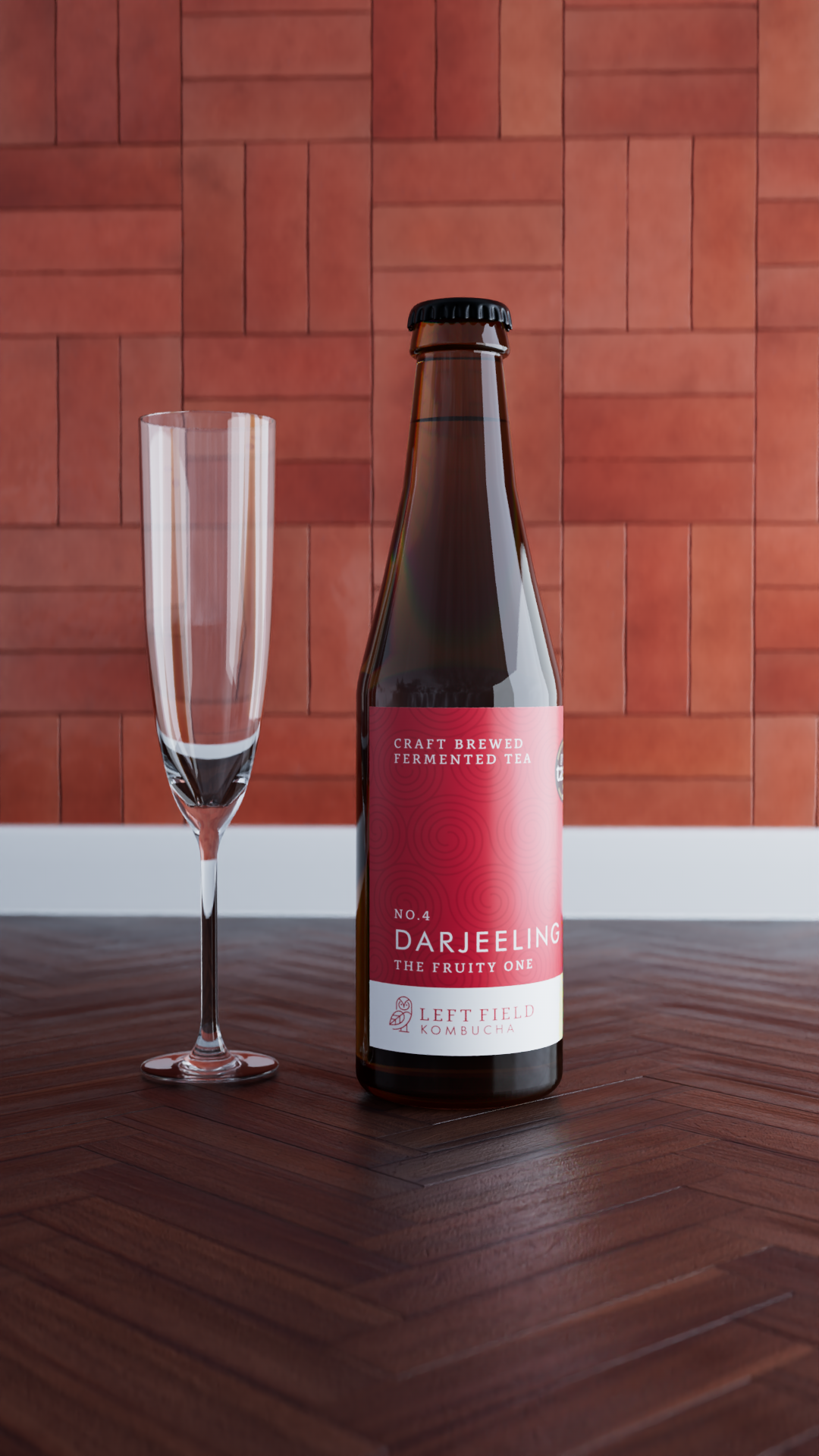
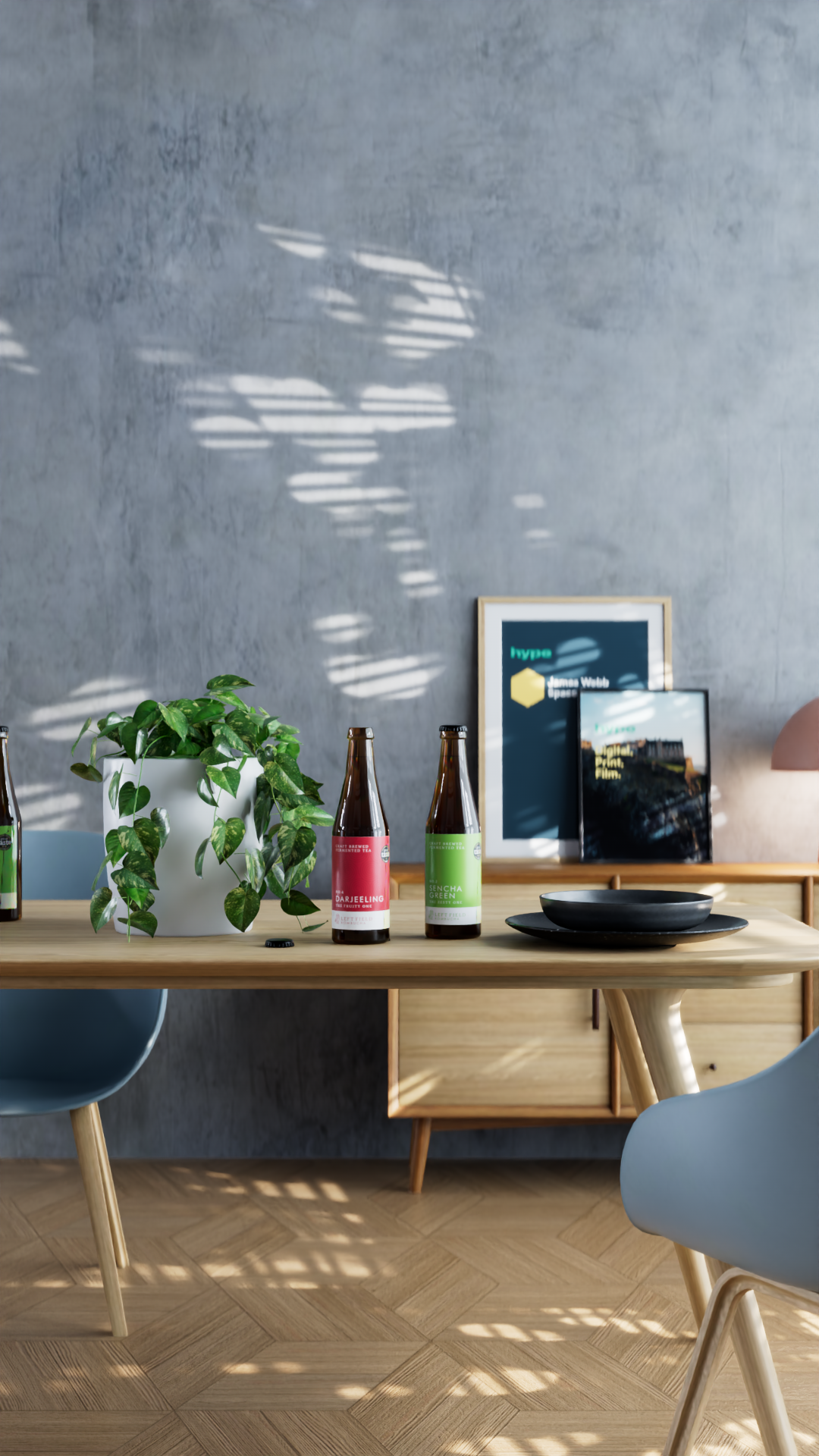
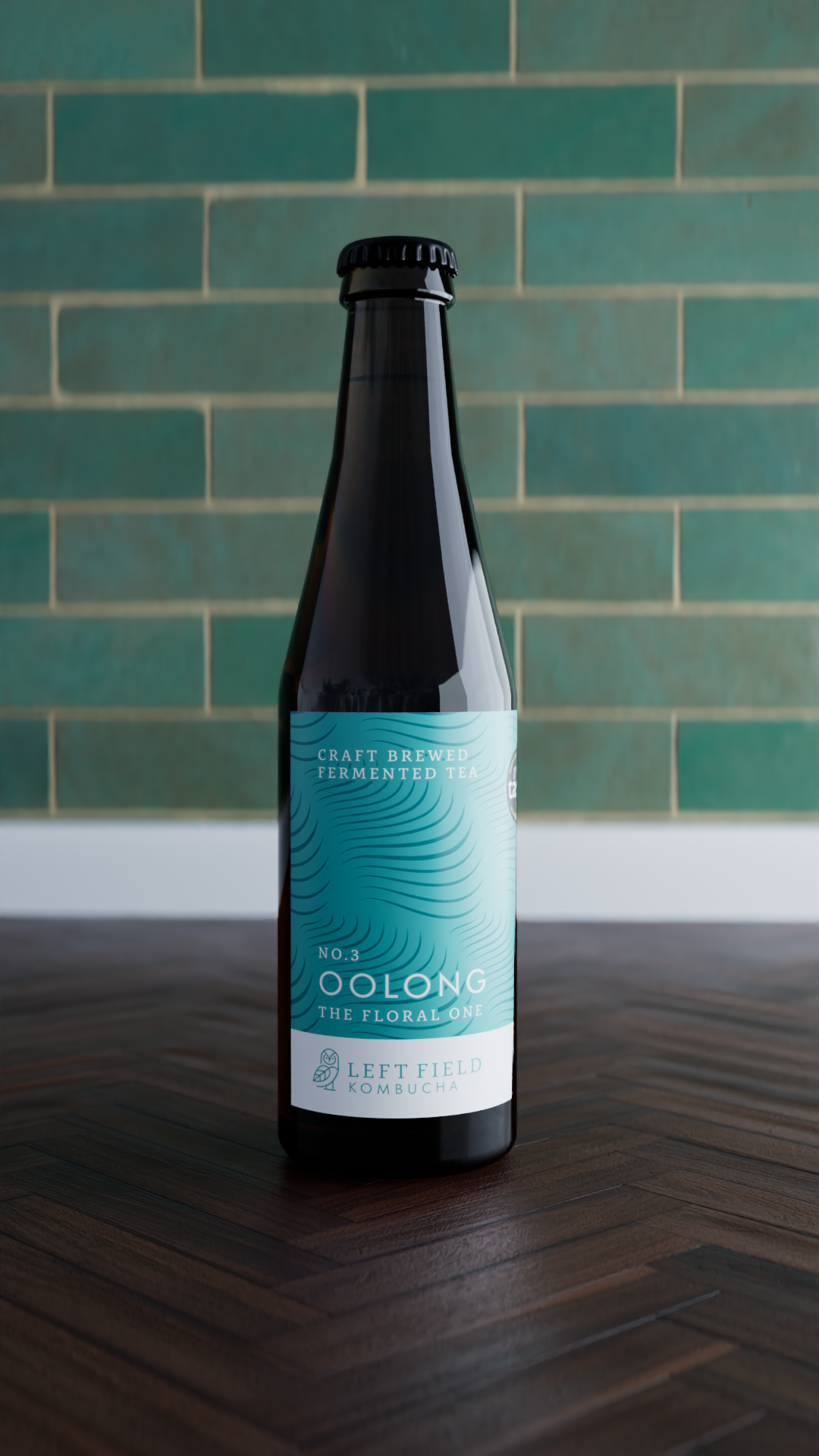
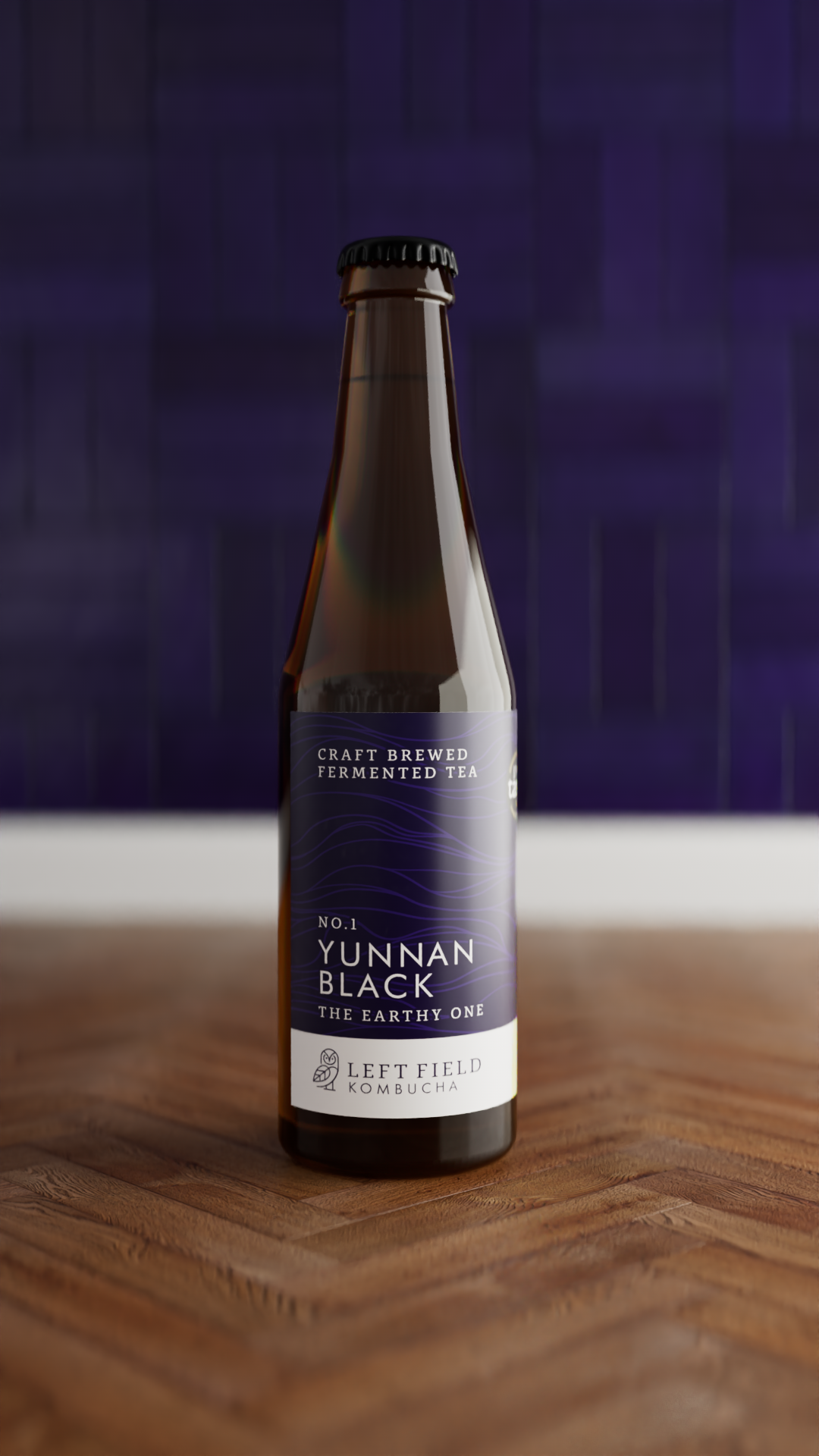
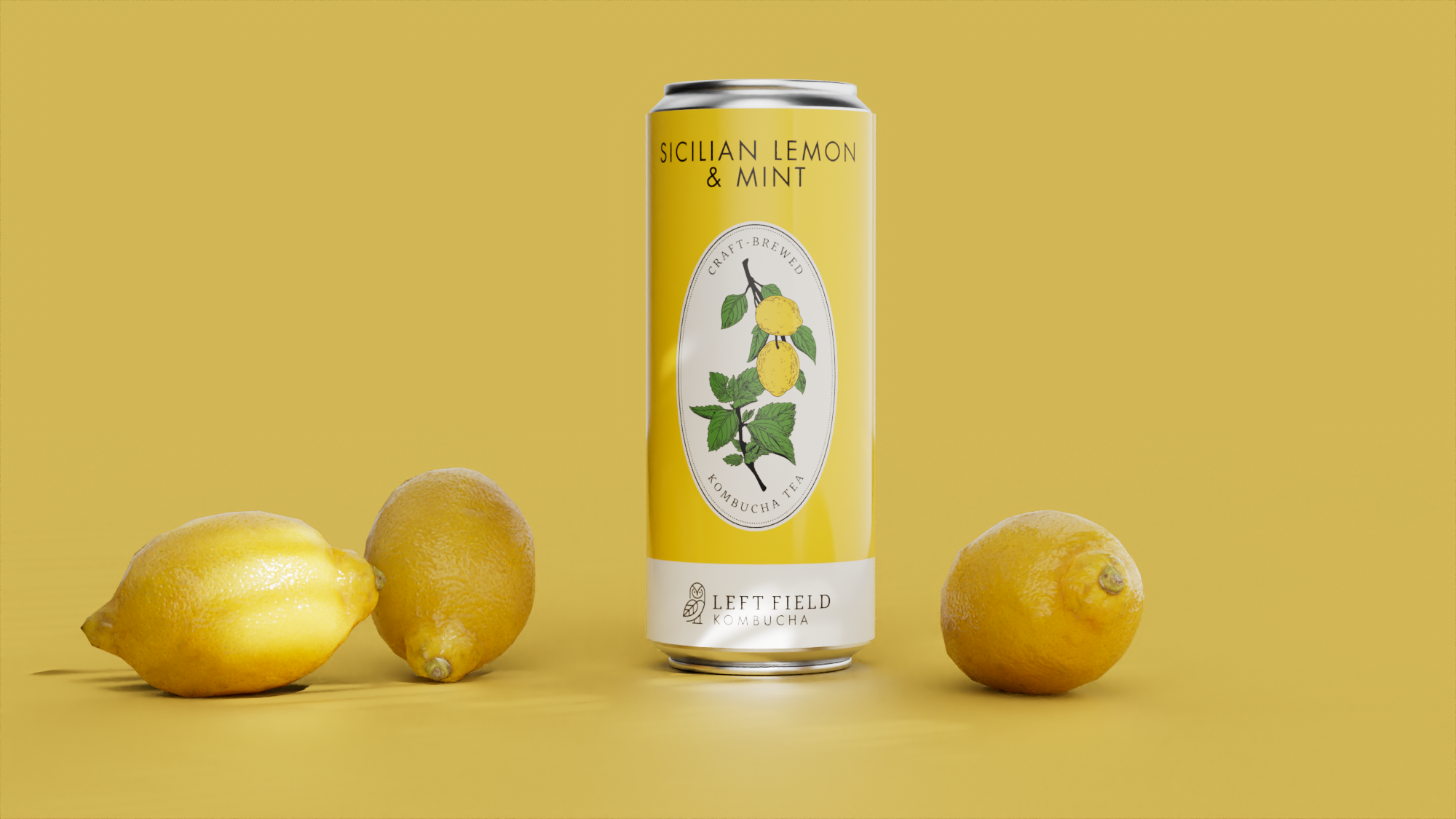
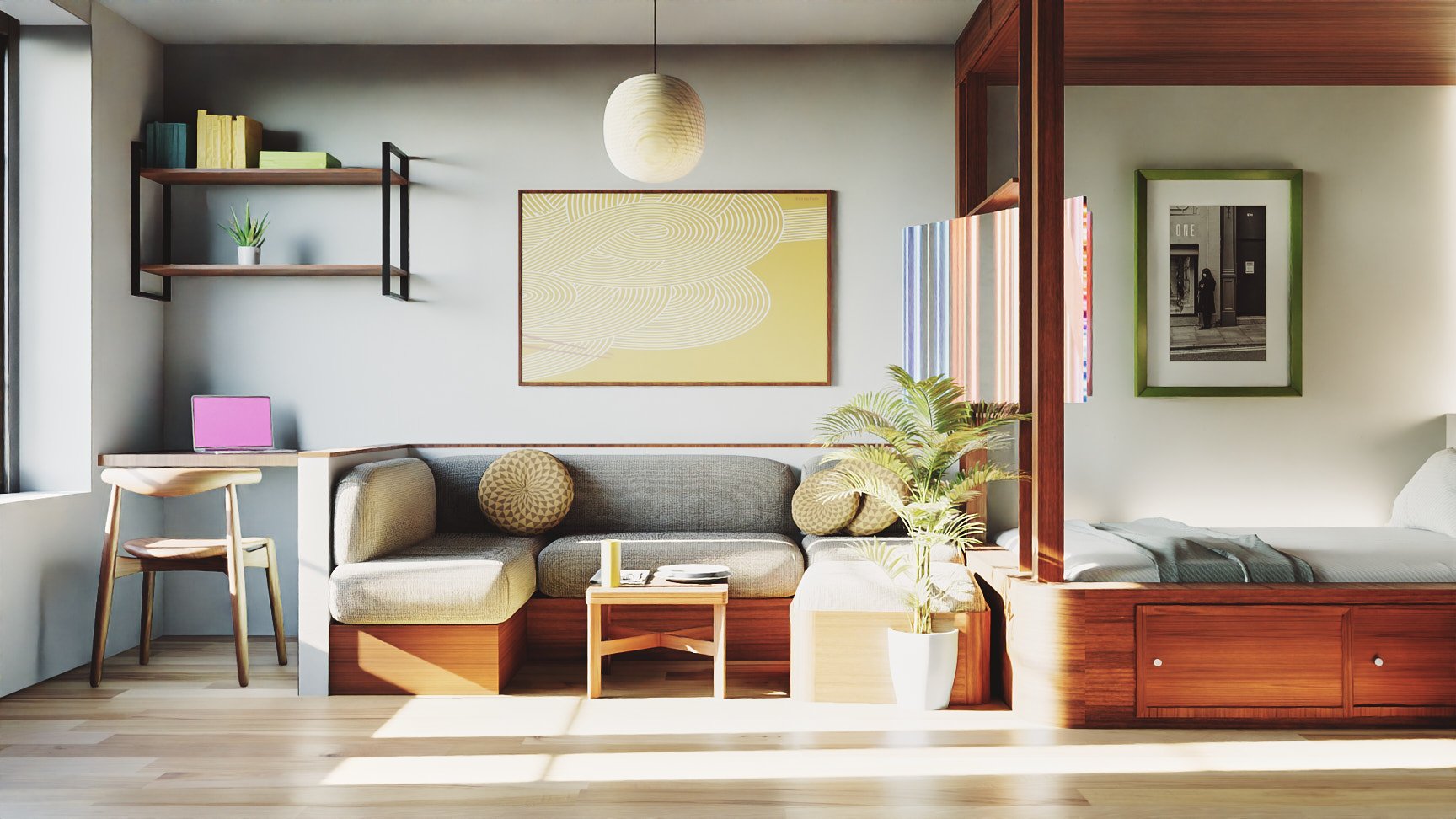
New products before the first prototype. Buildings before the foundations are dug. Retail spaces before construction. Packaging concepts before tooling. CGI lets you see the finished thing — and iterate on it — without committing to production. See: Union Brew, ARK, Kombucha.
Showing how things actually work
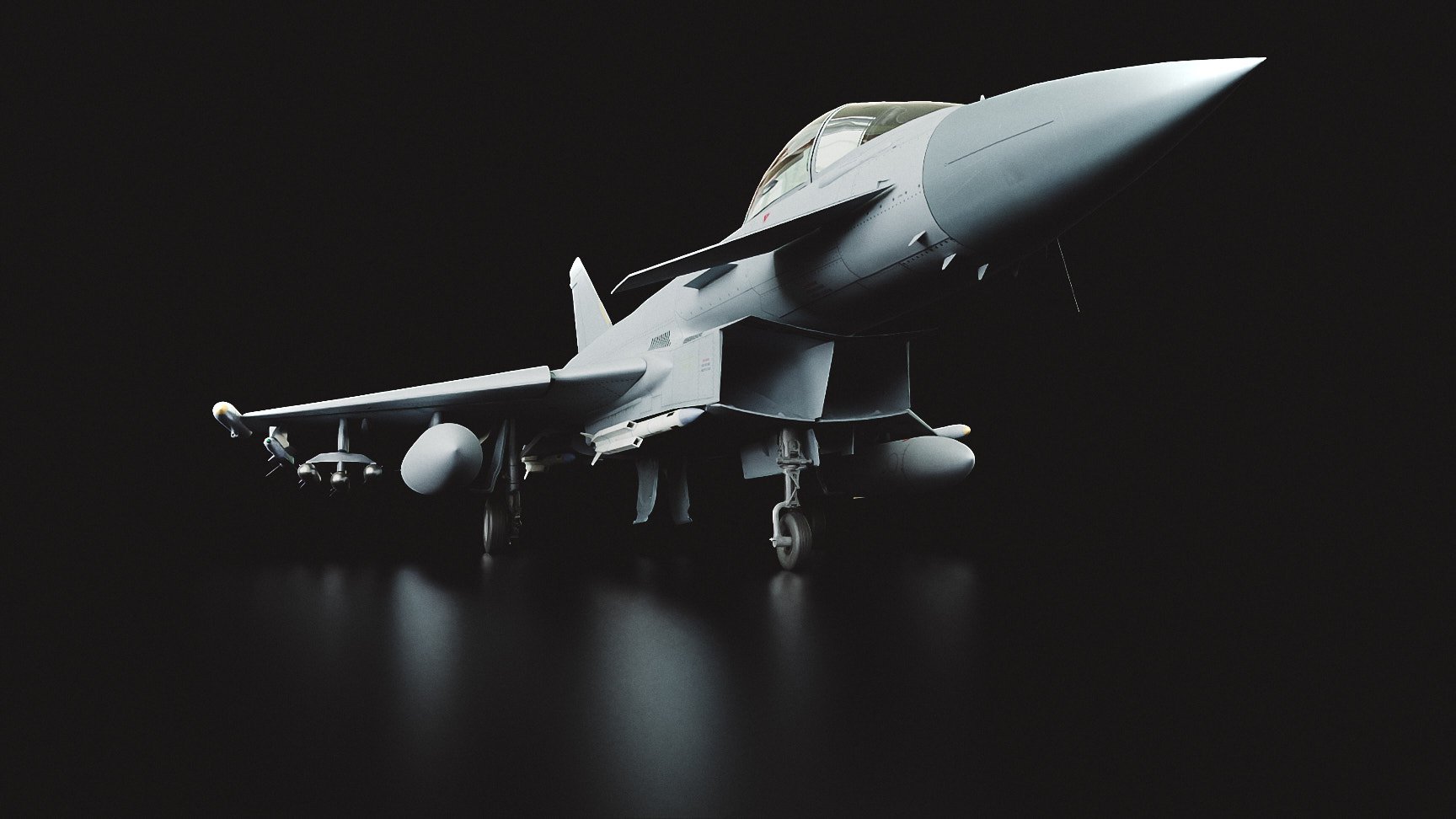
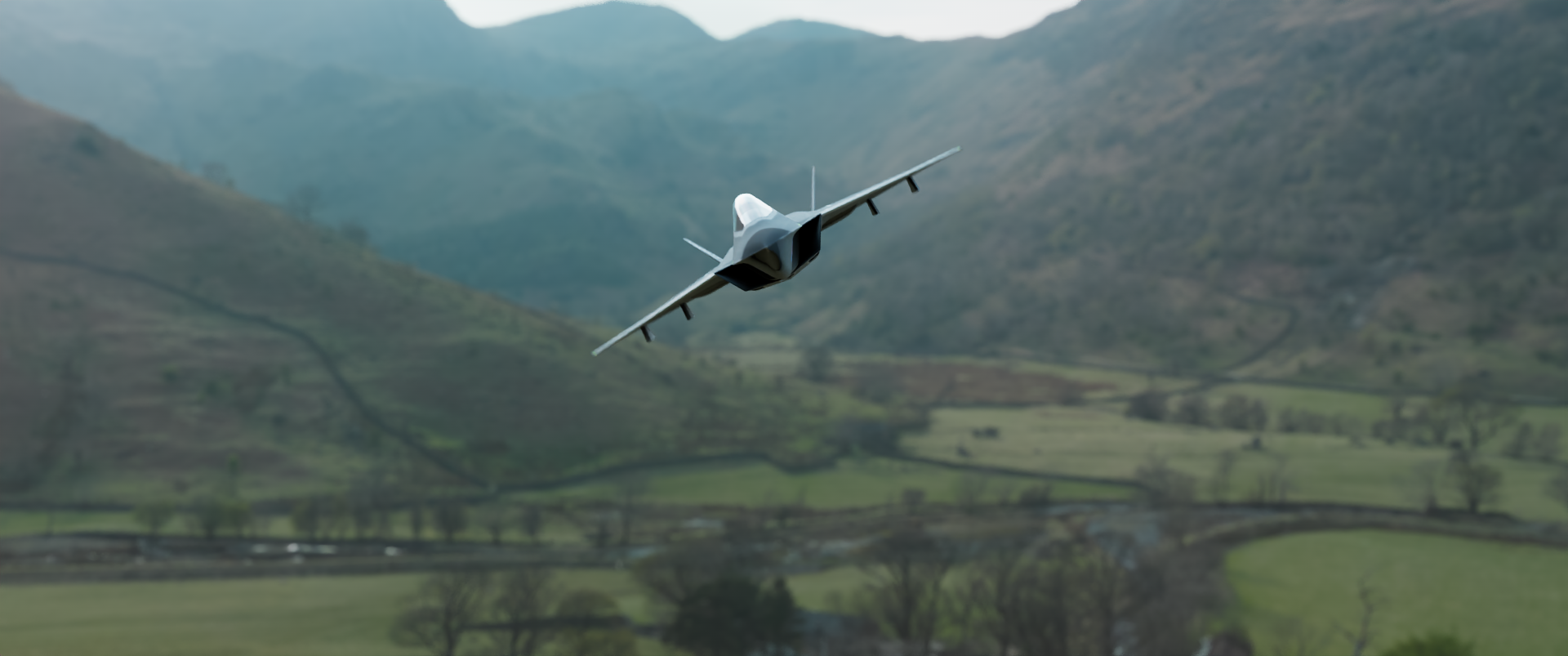
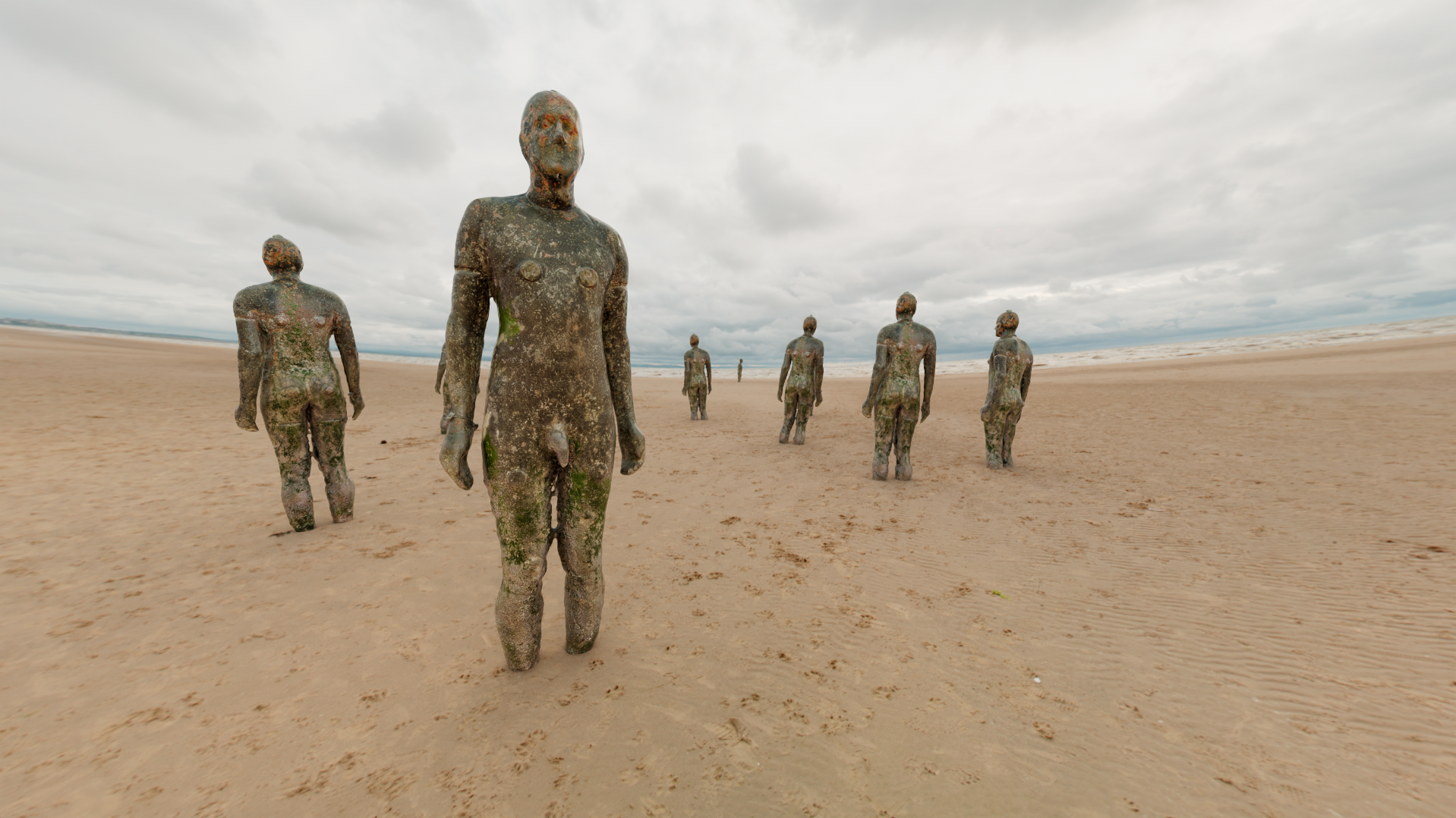
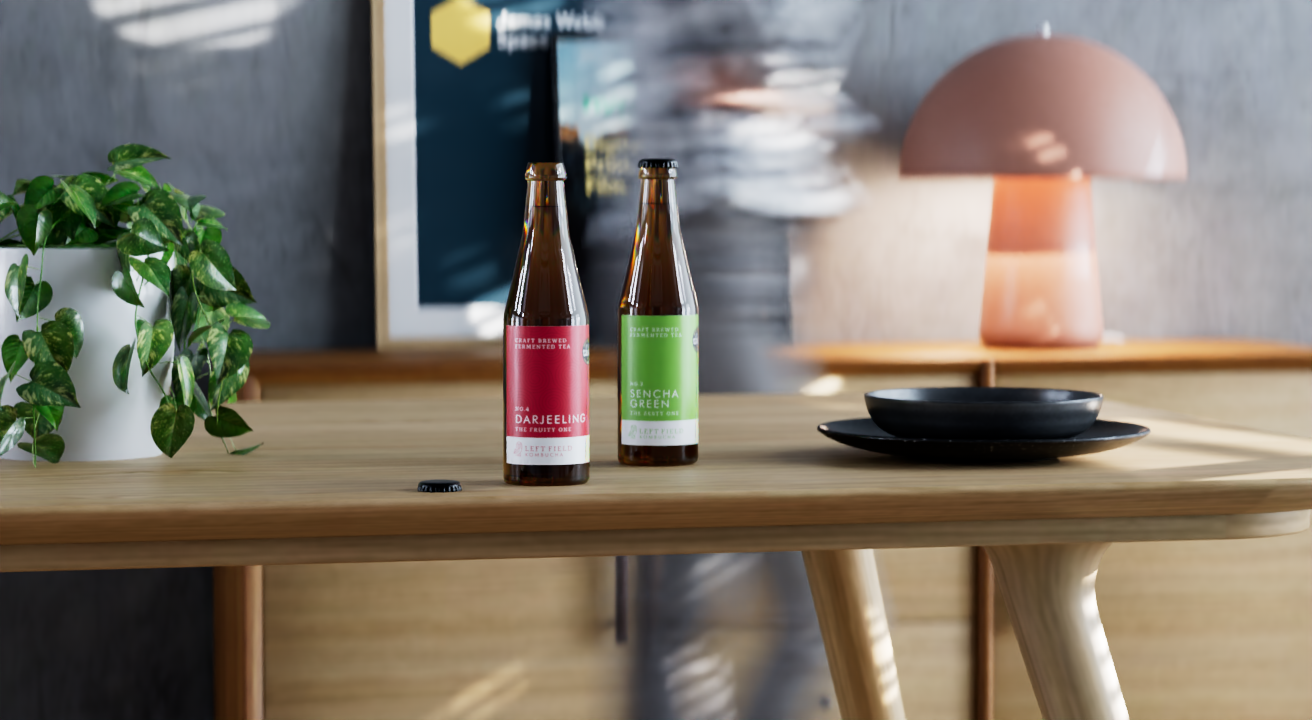
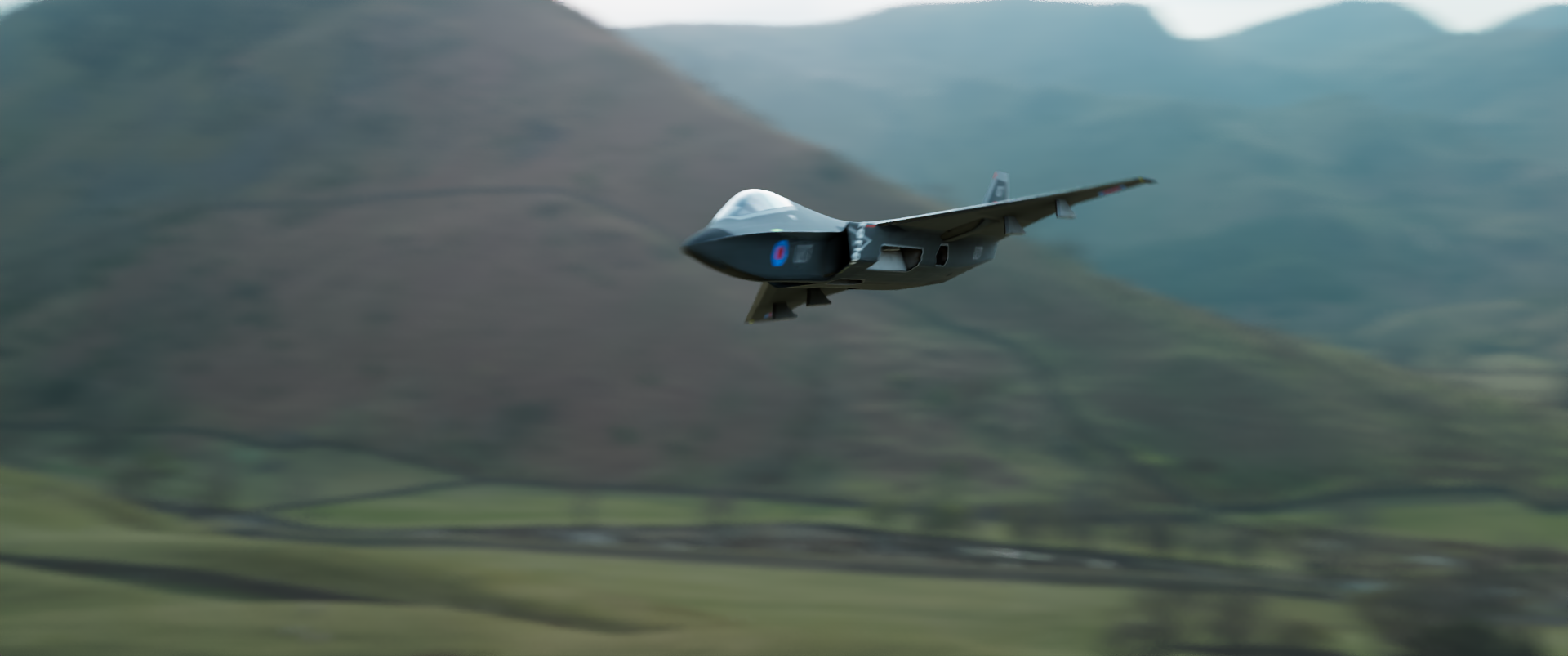
Some products are impossible to film convincingly — too small, too fast, too internal, too dangerous, too modular. CGI doesn't have those problems. We build the product, control every variable, and show clients exactly what they need to see. Same applies when a campaign needs to scale across dozens of variations: one CG setup can flex in ways a photoshoot never can. See: Eurofighter, Kombucha.
Quality on a real-world budget
Most briefs have budgets that fall short of ambition. We design workflows to deliver high-quality results on constrained budgets by reusing assets, building modular scenes, prioritising key shots, and choosing where to spend render time.
To stretch the budget we used real-time engines alongside traditional CGI. A 1080p Cinema 4D frame took ~4 minutes (about eight-hour renders per shot). The same scene in Unreal/Twinmotion rendered 4K in ~8 minutes — higher res, far faster, with only ~10% visual loss most viewers won’t notice.
Shorter render times do more than cut costs — they expand what a client gets. The same budget can buy longer animations, more variations, and multi-output assets. Built in a game engine, models become game‑ready and web‑optimised: interactive, real‑time, browser‑embeddable, and AR/VR‑ready. The deliverable shifts from “a render” to “a reusable living asset.”
That approach informs our work. Whatever the budget, we'll say what’s possible, flag when a job won’t work, and recommend tools—game engines, hybrid pipelines, modular setups—that get you more value.
Why CGI, why us
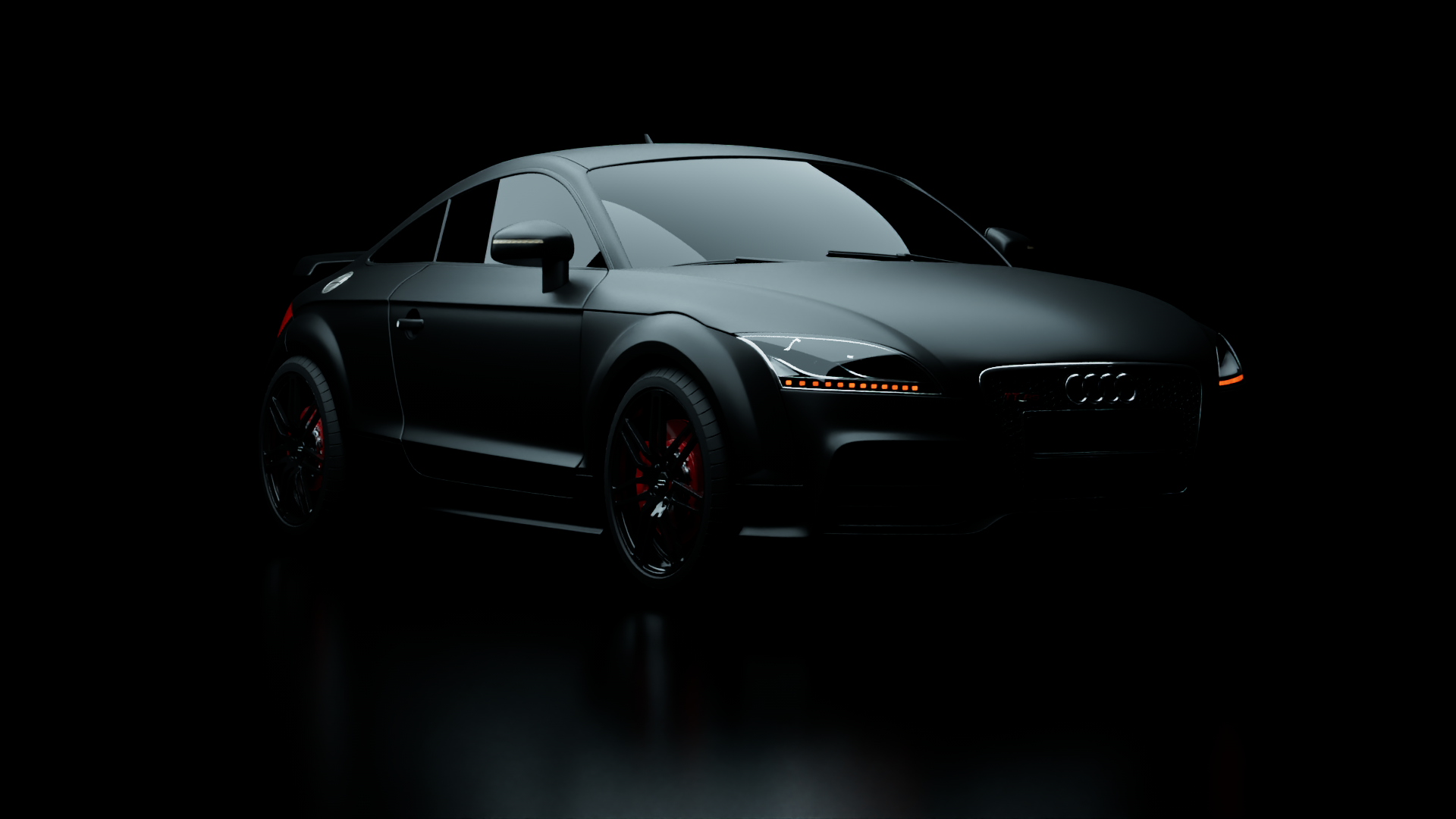
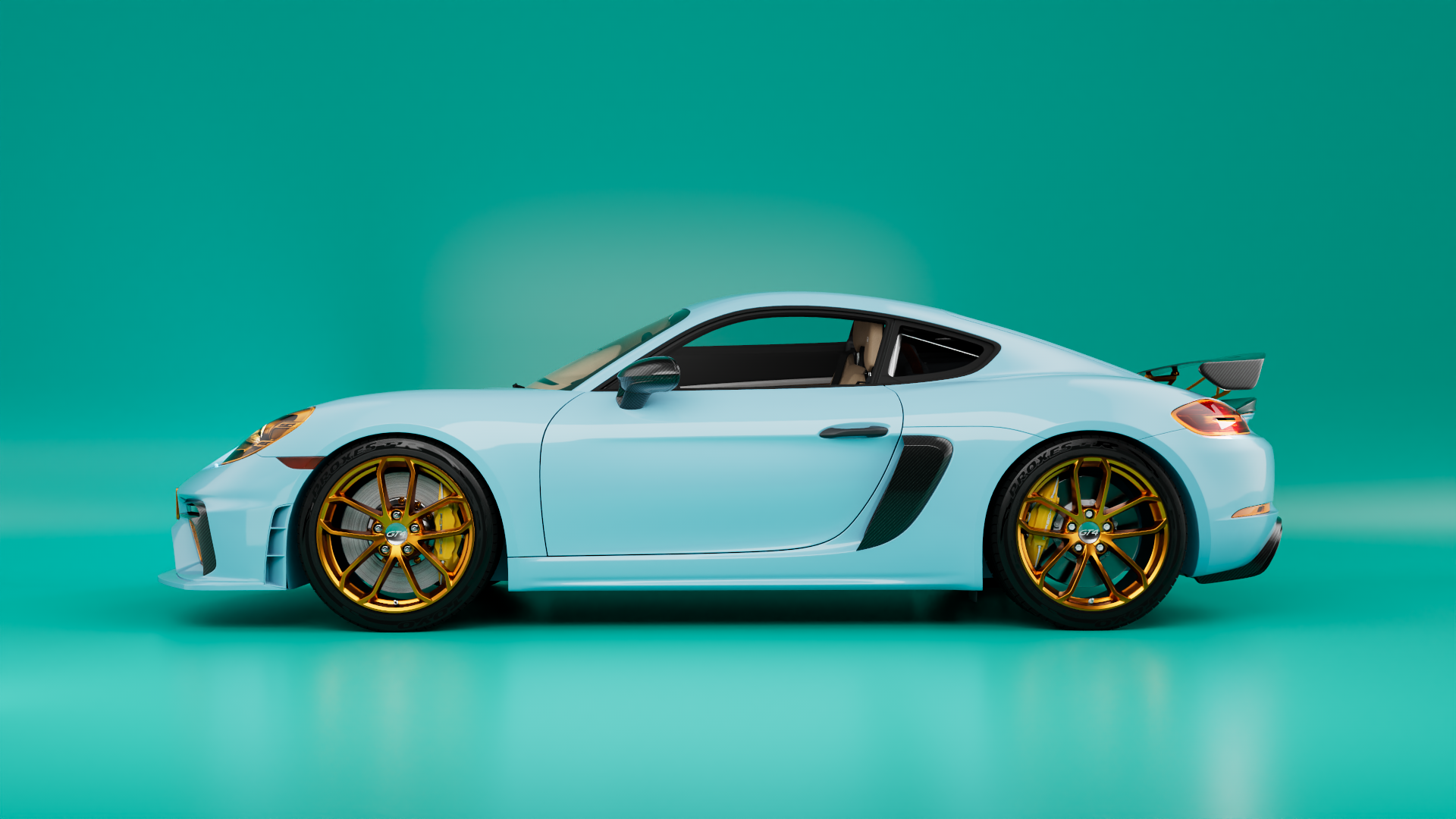
Photography is brilliant when you have a finished product, a clear set, and time to shoot. When you don't — or when you need flexibility that photography can't give you — CGI is the better answer. A single CG scene can be relit, restaged, repopulated and rebranded as the campaign evolves. New flavours, new colourways, new languages, new layouts. The work scales with the brand instead of being locked to a single shoot day.
We've spent years working alongside design agencies and production companies, which means we understand how creative work actually gets made. We're comfortable inside someone else's brand system, we know how to take a guideline document and build from it, and we know when to push back. From brand visualisation for coffee shops to VFX supervision on broadcast and trade-show films, we deliver work that sits credibly next to the rest of an agency's output — never the weakest link.
How it works
Most projects follow a similar shape:
01
Brief and reference. What's the brand, what's the deliverable, what's the timeline. Mood boards, brand guidelines, plates, any existing 2D work we're matching.
03
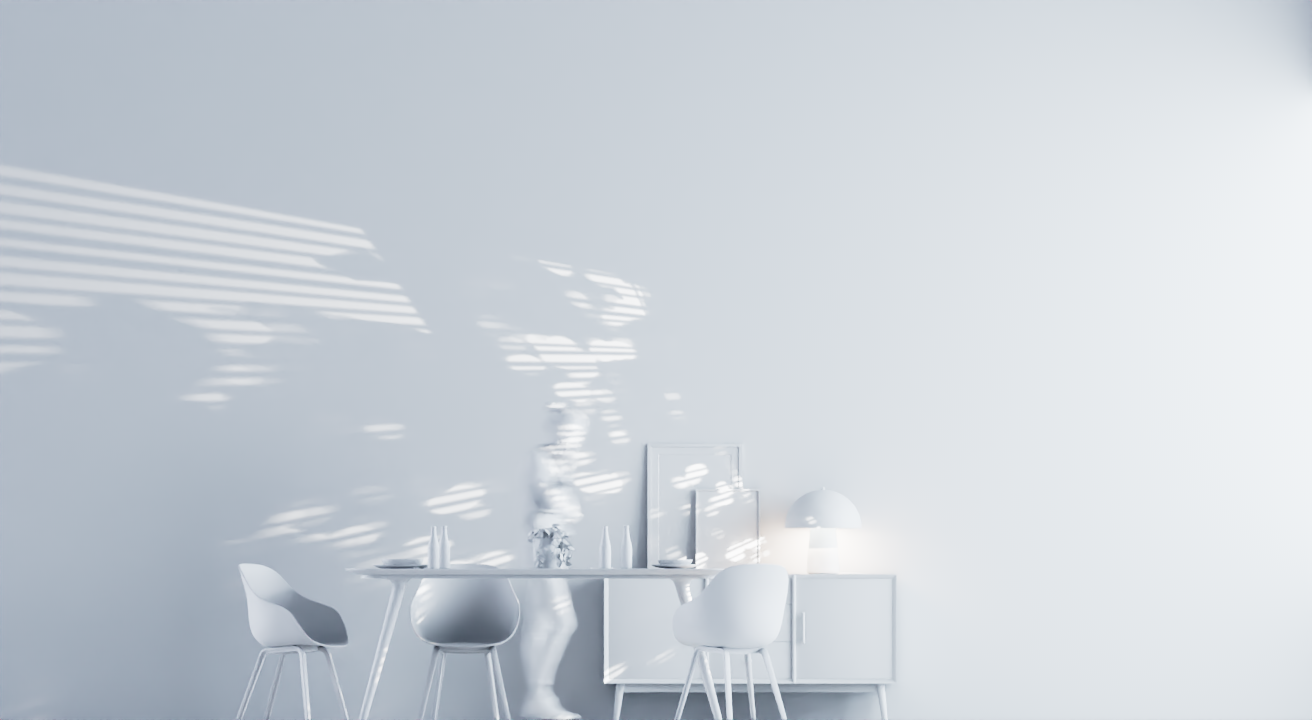
Build and render. Modelling, texturing, lighting, simulation where needed, final rendering in Arnold.
02
Concept and look development. Early renders to establish lighting, materials and composition. Quick to iterate, easy to course-correct before the expensive end of production.
04
Integration and finishing. Comp, grade, motion design where applicable. Delivery in whatever formats the campaign needs — print, social, broadcast, web.
03
Build and render. Modelling, texturing, lighting, simulation where needed, final rendering in Arnold.
05
For ongoing brand work we'll often build modular systems — one master scene that can be reconfigured for new variants, new seasons, new markets — so the brand can keep using the work long after the initial delivery.
Tools
Built primarily in Cinema 4D, rendered in Arnold, with X-Particles for simulation work, Nuke for compositing and tracking, and Cavalry for motion design and finishing. We choose the right tool per job rather than forcing everything through one pipeline.
Let’s Work Together
If you've got a brand that needs bringing to life, a product that needs visualising, or a campaign that photography can't quite stretch to — let's talk.